كلية هندسة النفط والغاز — جامعة البصرة للنفط والغاز | البوابة الأكاديمية والتعليمية الرسمية لقطاع الطاقة والنفط والغاز
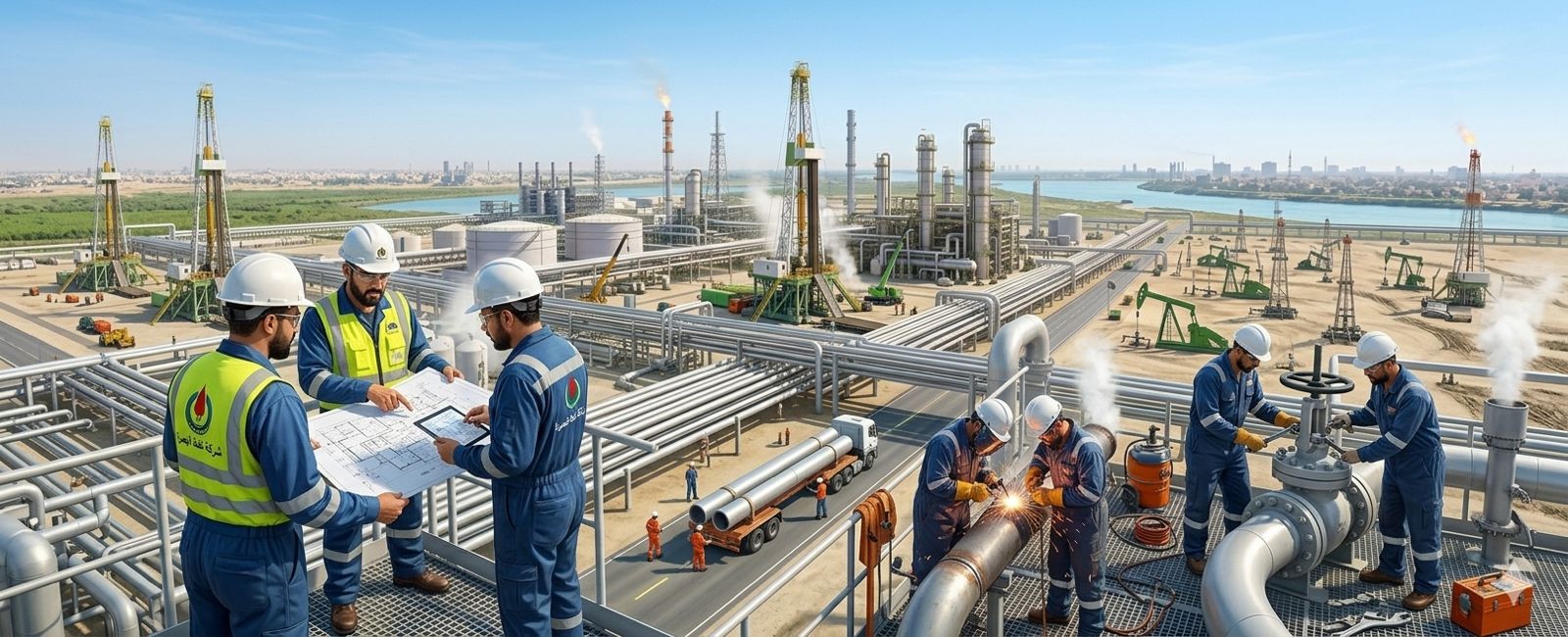


الأقسام العلمية التخصصية
أعضاء الهيئة التدريسية
الطلبة والخرّيجون المسجلون بالبوابة
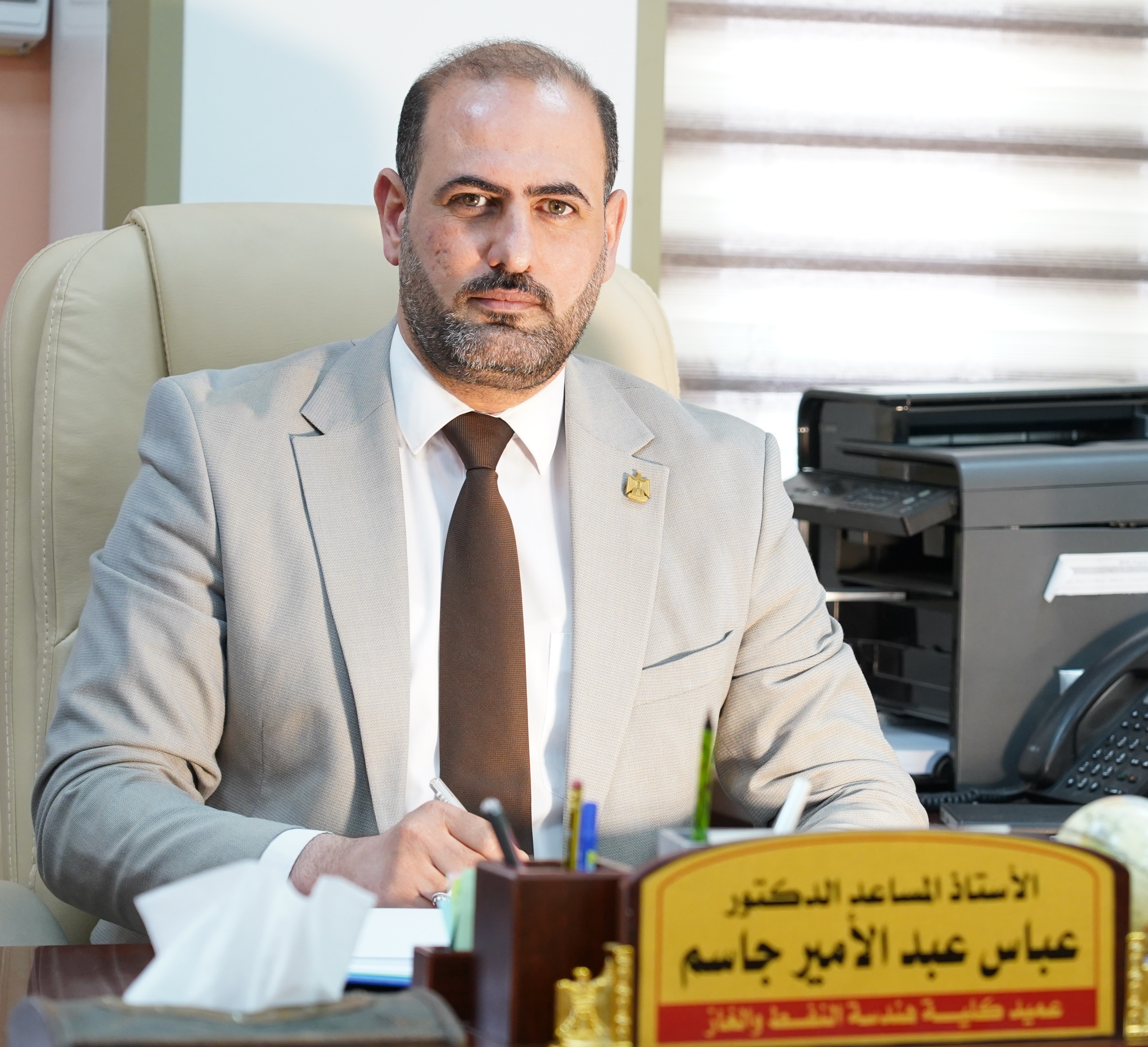
كلمة السيد عميد الكلية المحترم
الأستاذ مساعد الدكتور عباس عبد الامير جاسم — عميد الكلية
بسم الله الرحمن الرحيم
أرحب بكم في رحاب كلية هندسة النفط والغاز، هذا الصرح العلمي التخصصي الفريد الذي يمثل رافداً أساسياً لقطاع الطاقة والنفط والغاز في بلدنا العزيز. نسعى في كليتنا إلى إعداد أجيال من المهندسين والقادة الفنيين الذين يمتلكون المعرفة العلمية الحديثة والمهارات العملية والتحليلية المتقدمة وفق أعلى المعايير العالمية.
إن برامجنا الدراسية المتميزة في هندسة النفط والغاز قد صُممت بعناية لتجمع بين الأصالة الأكاديمية والتطبيق المهني المعاصر. نحن ملتزمون بتوفير بيئة تعليمية محفزة تشجع الابتكار والريادة والشراكة البناءة مع المؤسسات الوطنية الدولية.
بوابة الخدمات الرقمية السريعة
بوابة الطلبة
استكشف المناهج التعليمية المتطورة، جدول المحاضرات، وسجل مباشرة في المقررات الأكاديمية لمسار بولونيا.
الكادر الأكاديمي
ابحث في دليل التدريسيين والعلماء بالكلية، وقم بالوصول السريع إلى البحوث المنشورة والمجلات العلمية.
الخريجون والشركاء
تواصل مع خريجي الكلية المتميزين بقطاعات النفط والغاز، واستعرض النتاجات البحثية المشتركة مع المؤسسات.
المكتبة الإلكترونية
تصفح وحمل المصادر الدراسية والكتب الأكاديمية والبحوث العلمية التي تحتاجها في مسيرتك الدراسية.
شريان الكلية: الأقسام العلمية التخصصية
نقدم برامج أكاديمية متميزة مصممة خصيصاً لإعداد قيادات وكفاءات قادرة على إدارة وتطوير قطاع النفط والغاز والطاقة محلياً ودولياً.
الهندسة الكيميائية وتكرير النفط
تخصص هندسة العمليات الكيميائية وتكرير النفط الخام وتصميم الوحدات الصناعية والمكامن الحرارية.
هندسة النفط والغاز
القسم التخصصي الأساسي الذي يعنى بعمليات حفر الآبار، هندسة المكامن النفطية، إنتاج النفط، والتقييم الجيولوجي والمكمني للآبار.
هندسة عمليات الغاز والبتروكيمياويات
تأسس قسم هندسة عمليات الغاز والبتروكيمياويات في رحاب كلية هندسة النفط والغاز في جامعة البصرة للنفط والغاز، للحصول على شهادة البكالوريوس في هندسة عمليات الغاز والبتروكيمياويات. تتراوح اعداد القبول للدراسات الأولية بين 40-50 طالب وطالبة سنوياً كحد أدنى. وجاء تأسيس هذا القسم تلبيةً للاحتياجات المتزايدة لقطاع الطاقة في العراق، وتحديداً في محافظة البصرة التي تمثل العاصمة الاقتصادية للبلاد ومركز الصناعات الهيدروكربونية. يسعى القسم إلى سد النقص الحاد في الكوادر الهندسية الوطنية المتخصصة في تقنيات استثمار الغاز المصاحب والطبيعي، وتطوير صناعات التكرير والبتروكيماويات التحويلية، بما يسهم في دعم الاقتصاد الوطني وتحقيق التحول نحو الطاقة النظيفة والمستدامة. المواد التخصصية في القسم تشمل: خواص الغاز، عمليات الغاز الطبيعي، هندسة الغاز الطبيعي، عمليات نقل وخزن الغاز بالإضافة الى تصميم المفاعلات وهندسة البتروكيمياويات والبوليمرات. تعتمد العملية التعليمية في القسم على تكامل الجانبين الأكاديمي والتطبيقي؛ حيث تدرس المناهج بحسب هدف كل مرحلة وبوحدات دراسية متوازنة اعتماداً على معايير مسار بولونيا العالمية. يركز هذا النظام الحديث على تفعيل مخرجات التعلم القائمة على الطالب، وتعزيز مهارات البحث والابتكار من خلال التدريب المختبري المتقدم والزيارات الميدانية للمنشآت النفطية والمجمعات الغازية في محافظة البصرة، مما يضمن مواءمة كفاءة الخريجين مع المعايير الهندسية الدولية ومتطلبات سوق العمل في الشركات الوطنية والأجنبية.
نتاجات علمية: البحوث والمنشورات المتميزة
فخورون بإسهامات كادرنا الأكاديمي النشطة في إثراء المعرفة وتطوير حلول مستدامة ومنشورة في كبرى المجلات العالمية المستوعبة.
Predicting Lithography Defects Using Deep Learning
📖 Advanced Materials Technologies
Nanofabrication has driven the semiconductor revolution since the mid-20th century, and today it underpins breakthroughs in electronics, photonics and quantum technologies. Electron beam lithography (EBL) offers unmatched patterning precision and geometric flexibility, yet developing reliable EBL recipes at the resolution limit is highly iterative and is heavily dependent on trial and error of fabrication and metrology, which consumes significant time, labor, and cleanroom resources. In this work, we present a deep learning technique that simulates the post-fabrication appearance of nano-patterned structures via EBL. The model learns the complex, non-linear relationship between layout geometry, exposure conditions, and resulting resist morphology, enabling direct image-to-image translation from design to fabrication outcome. The trained model achieves an average prediction accuracy of 92%, including sub-10 nm features, and generates full-resolution SEM-like images in approximately 0.075 s per image. Despite prior proximity effect correction, the model captured key fabrication artefacts, such as resist overdevelopment, underdevelopment, and feature loss near the resolution limit. This work establishes a practical route toward simulation-driven optimization of EBL processes, reducing reliance on empirical iterations, and holds strong promise for other lithographic techniques, which may help improve reproducibility and lower experimental overhead in future fabrication workflows.

Practical implementation of cascade control approach with PI controllers to control the speed of a permanent magnet DC motor
📖 ARPN Journal of Engineering and Applied Sciences
An experimental investigation was conducted to control the speed of a permanent magnet brushed direct current motor under cascade control approach. The investigation dealt with studying the performance of the motor under open loop, current loop and speed loop conditions. The results then compared to similar investigations done by researchers. The investigation was implemented on software and hardware models with the help of MATLAB Simulink, MPLAB software and LabVIEW. PMDC motor mechanical and electrical characteristics were studied first, then they were implemented in MATLAB Simulink. A cascade control model was designed in Simulink environment and linked with the motor via HBridge simulation model. The cascade control has the following features, two Proportional Integral (PI) controllers, one for speed loop and the other for current loop, Integrator windup feature and some limiters. The performance of the speed control was studied successfully and motor speed was under control. The effect of tuning PI controller gains was observed. Six important tasks were focused on in this project which are Unipolar PWM generation, speed and current measurements, Integrator windup, speed transit and speed profile. The real time implementation was a success and some of the measurements were compared with a simulation model. MPLAB software was used to write the codes in C language for the cascade control loops.
Feasibility study of producing green electrical energy from free-falling sewage water through vertical stack pipes in skyscrapers
📖 Renewable Energy
Approximately 80 % of wastewater is discharged into the environment without treatment, equating to billions of gallons of sewage, industrial waste, and agricultural runoff contaminating rivers, lakes, and oceans every day. Utilizing sewage through innovative technology of generating electricity from falling wastewater in vertical stack pipes within skyscrapers presents a sustainable and efficient method to harness renewable energy. By installing turbines in these sewage systems, the kinetic energy of wastewater flow is converted into electrical power, offering significant cost savings and reducing reliance on grid electricity. The current renewable energy source aligns with sustainability objectives, diminishes carbon footprints of about 767,319 Tonnes of CO2 emissions per year, and improves sewage system efficiency by decreasing overflows and obstructions. An empirical analysis illustrates the practicality of the system, considering a daily water usage of 218,400 L, a wastewater density of 1006 kg/m3, and a maximum descent velocity of 29.1451 m/s. Utilizing a Permanent Magnet DC (PMDC) generator enables the production of 260 V DC, hence allowing the system to create a significant amount of electrical power to fulfill the energy requirements of a structure. The amount of electricity generated, which is equal to 220 kWh, substantially affects operating expenses and environmental advantages due to a total electrical power usage of 3 MWh. This research has taken into account the limitations and implications related to the practicality and dependability of the proposed system in real-world scenarios, with the development of a prototype design serving as an initial step. This technique signifies a noteworthy advancement in urban sustainability and energy efficiency, providing a pragmatic answer for contemporary towns to diminish their environmental footprint.
أحدث الأخبار والإعلانات
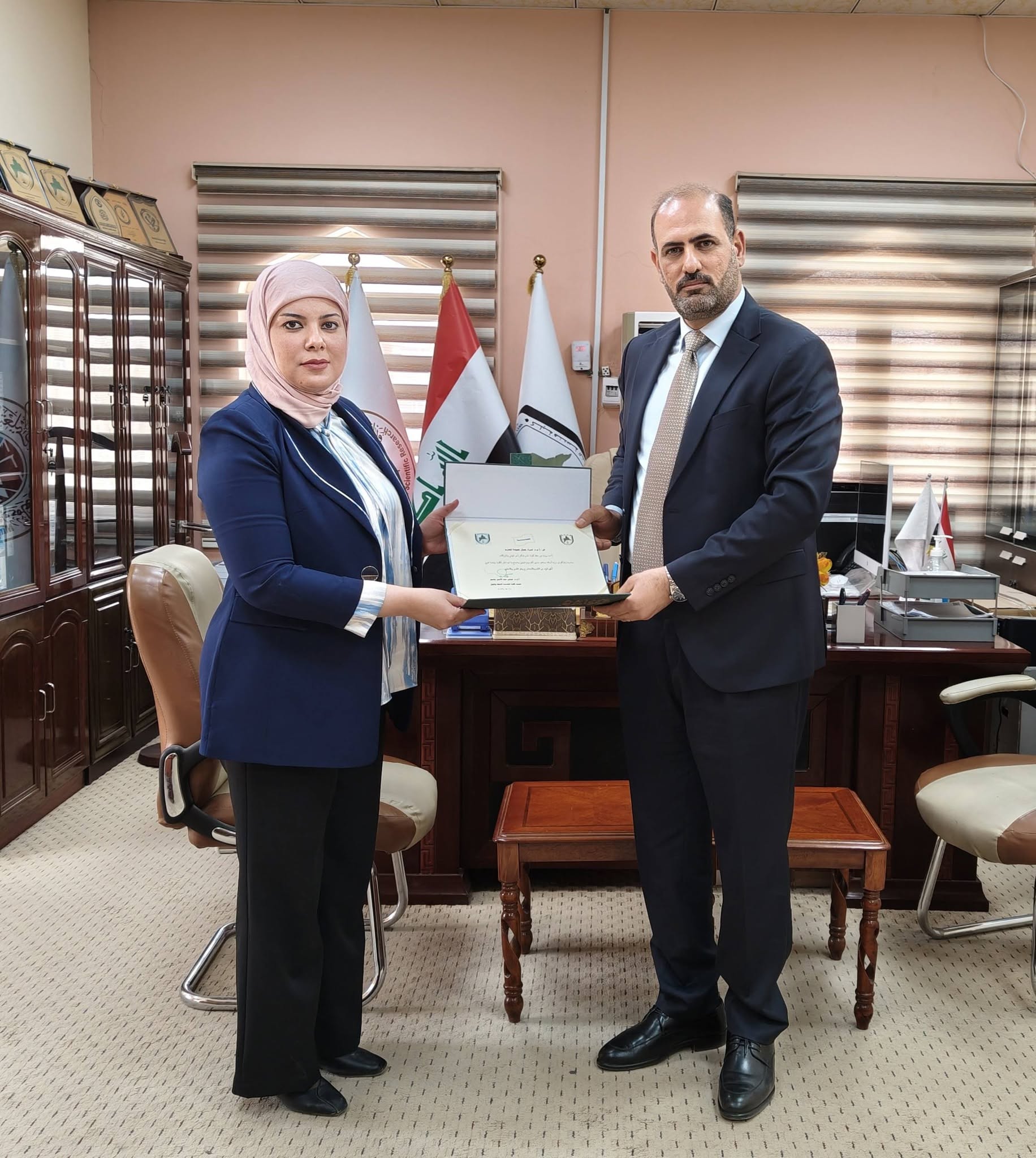
السيد عميد كلية هندسة النفط والغاز يهنئ التدريسية إسراء جمال بمناسبة ترقيتها العلمية إلى مرتبة أستاذ مساعد
هنأ السيد عميد كلية هندسة النفط والغاز الأستاذ المساعد الدكتور عباس عبد الأمير جاسم التدريسية في قسم هندسة النفط والغاز إسراء جمال...

كتابة الايميلات الرسمية
برعاية السيد رئيس جامعة البصرة للنفط والغاز الاستاذ الدكتور محمد هليل حافظ الكعبي المحترم وإشراف السيد عميد كلية هندسة النفط والغا...
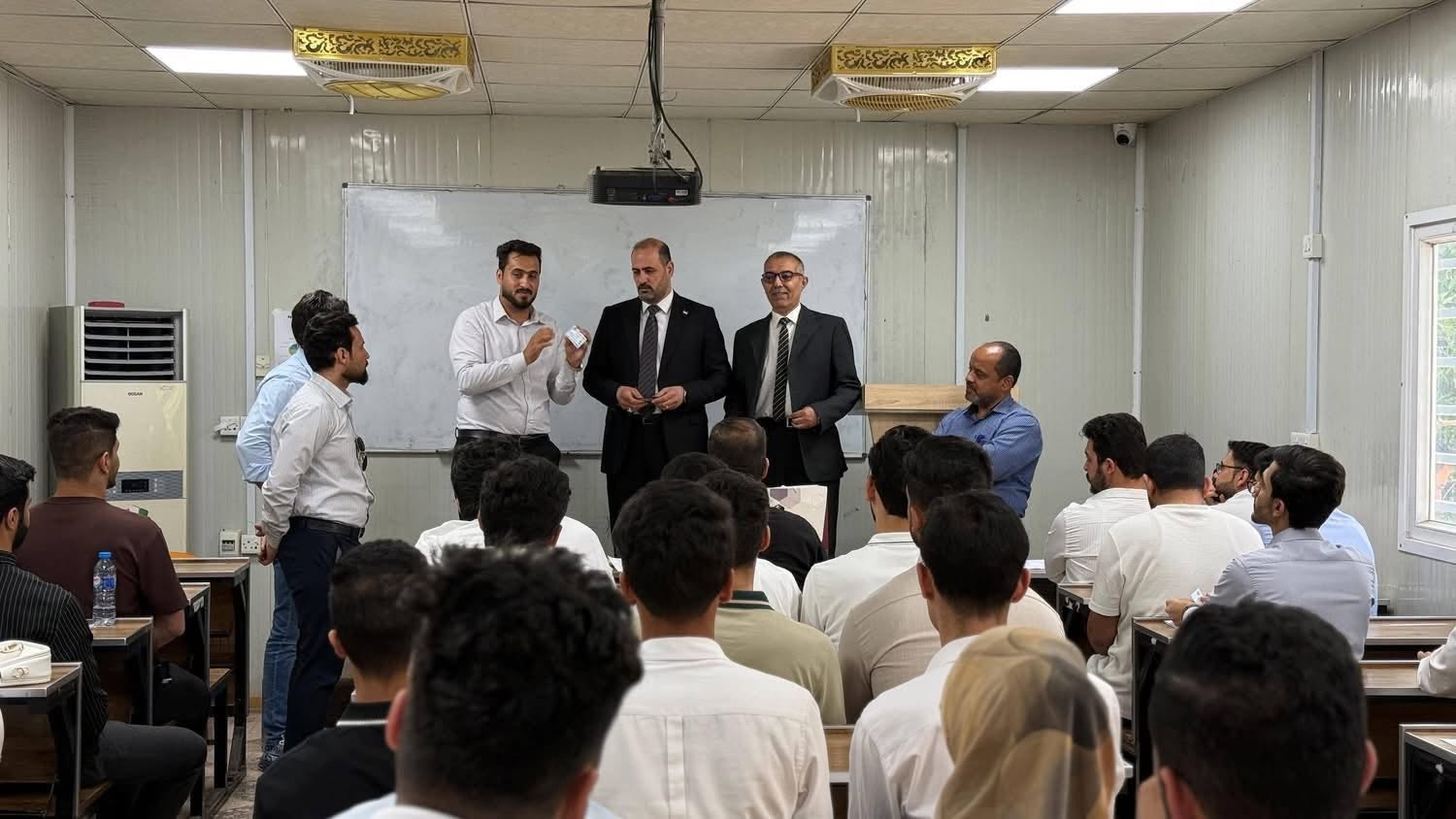
تسليم الهويات الجامعية الجديدة لطلبة كلية هندسة النفط والغاز ضمن منصة التعليم العالي الرقمية (HEPIQ)
تسليم الهويات الجامعية الجديدة لطلبة كلية هندسة النفط والغاز ضمن منصة التعليم العالي الرقمية (HEPIQ)=======================ضمن إطا...